Mesh waste container with lid, 1100 liters.
1100-liter mesh waste container with lid and a WebRozum Original digital passport. The page demonstrates how a container for recyclable materials can be connected to a QR code, digital card, installation location records, maintenance, movements, condition monitoring, and user requests.
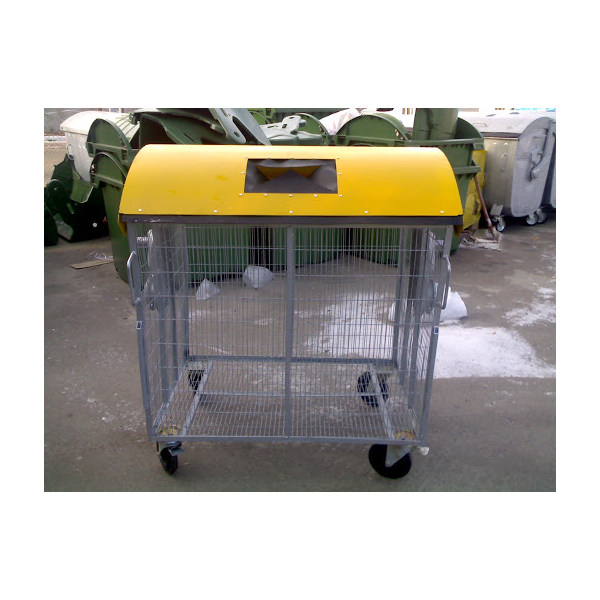
1100-liter mesh waste container with lid on this page is presented as a demonstration example of how the WebRozum Original platform can be used for digital identification, accounting, and maintenance of infrastructure objects.
Mesh containers are often used for collecting recyclable materials, bulky packaging, plastic, PET bottles, cardboard, and other types of waste that need to be separated from mixed waste. For such containers, clear identification, installation location control, structural condition monitoring, regular collection control, and quick feedback from territory users are especially important.
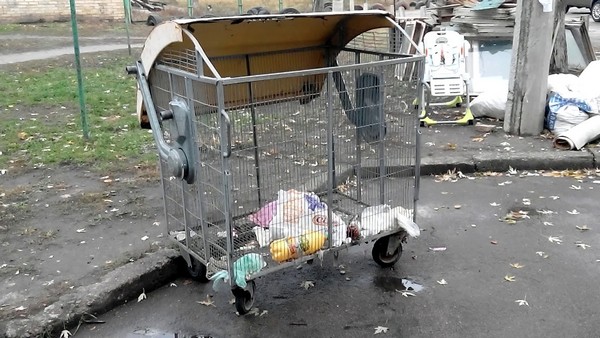
What this page demonstrates
This card shows not only the container model, but also the operating principle of a digital passport. Each container model or each individual container unit can be assigned a unique digital identifier. It can be applied to the body as a QR code, Data Matrix code, barcode, NFC tag, RFID tag, or combined marking.
After scanning the code, a user, service organization employee, property management company, municipal service, or container fleet owner opens the container’s web page. This page becomes a single access point to data about the object, its condition, service history, requests, and actions related to its operation.
Digital passport of a mesh container
A digital passport of a container is an individual web page linked to a physical object. The passport may store information about the model, volume, structure type, material, lid availability, manufacturer, commissioning date, inventory number, installation location, responsible department, and current status.
For the 1100-liter mesh container, the digital passport can be used as a demonstration card with a technical description. In a real project, the system can create a separate passport for each individual unit: for example, container No. 001 at a residential complex site, container No. 015 near a retail facility, or container No. 128 on a recyclable materials collection route.
Why a QR code is needed on a recyclable materials container
A QR code on the container allows users and service staff to quickly access its digital passport without searching through paper logs, spreadsheets, or internal databases. It is enough to scan the code with a smartphone or a mobile data collection terminal.
This is convenient for different participants in the process:
- residents or territory users can report container overflow, mesh damage, lid damage, or site contamination;
- a service organization employee can record inspection, collection, repair, washing, relocation, or replacement of the container;
- a dispatch service can view the history of requests and maintenance;
- the owner of the container fleet can monitor asset condition, service life, and problem points;
- an organization developing separate waste collection can analyze user activity and the quality of site maintenance.
What data can be stored in the digital passport
- container model and type;
- volume — 1100 liters;
- structure type — mesh container with lid;
- purpose — collection of recyclable materials or specific waste types;
- serial, inventory, or internal accounting number;
- delivery and commissioning date;
- installation location;
- responsible organization or department;
- history of inspections, repairs, washing, collection, and replacement;
- photo records of the container and site condition;
- user requests and their processing statuses;
- movements between sites, routes, or facilities.
How it works in practice
A durable label, plate, or tag with a QR code is applied to the container body. After scanning, the digital passport page opens. Depending on project settings, the page can be public for all users or have different access levels.
For example, a regular user may see brief information about the container and a request form. A service organization employee may additionally record completed work. A system administrator may see the full object history, analytics, routes, repairs, movements, and request statistics.
Benefits for accounting and maintenance
The use of digital passports helps move from fragmented container records to a transparent object management system. Each container receives its own digital history, and all actions related to it are recorded in a single system.
- container fleet inventory becomes easier;
- the risk of container loss, substitution, or unrecorded movement is reduced;
- user request processing is accelerated;
- a history of repairs, inspections, and maintenance is created;
- it becomes easier to control collection regularity and site condition;
- problem areas can be analyzed and container replacement can be planned;
- separate waste collection becomes more manageable and transparent.
Why a mesh container is suitable for demonstrating the technology
A mesh container with a lid is a clear example of an object that is constantly in operation, can be moved between sites, damaged, serviced, and generate user requests. When collecting recyclable materials, it is especially important to understand where the container is installed, how often it fills up, what condition it is in, and how effectively the site is maintained.
This example clearly shows how the connection between a physical object, marking, and a digital record works. The same logic can be applied not only to solid waste and recyclable materials containers, but also to returnable packaging, pallets, tanks, industrial containers, equipment, tools, construction materials, engineering objects, and other assets that need to be identified, tracked, and maintained.
WebRozum Original as a digital passport platform
WebRozum Original allows the creation of digital passports for products, packaging, equipment, and infrastructure objects. The platform links a physical object to a web page through a QR code, Data Matrix code, barcode, NFC tag, or RFID tag.
For a manufacturer, this can be a tool for confirming product authenticity. For a municipal, environmental, or service organization, it can be an accounting and maintenance system for containers. For a territory owner, it is a way to monitor asset condition, service quality, and quickly receive feedback from users.
This page is a technology demonstrator based on a specific 1100-liter mesh container model. It shows how a standard product card can be transformed into a digital passport of an object that helps manage data, requests, maintenance, and the container lifecycle.