Garbage containers
The “Waste Containers” section demonstrates how the WebRozum Original platform can be used for digital identification and accounting of solid waste containers. Each model or each individual container unit can be connected to a QR code, digital passport, installation location, maintenance history, movements, repairs, and user requests.
- Goods 1-2 из 2
-
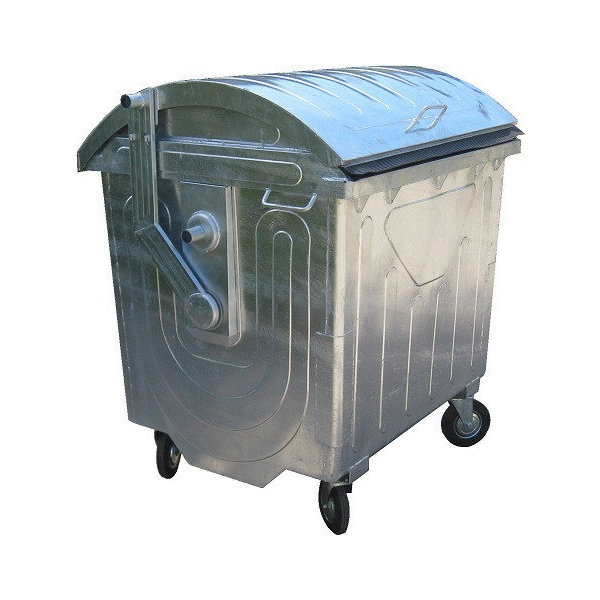
Galvanized waste container 1100 liters with a WebRozum Original digital passport. The page demonstrates how a standard container can be connected to a QR code, digital card, installation location records, maintenance history, repairs, movements, and user requests.
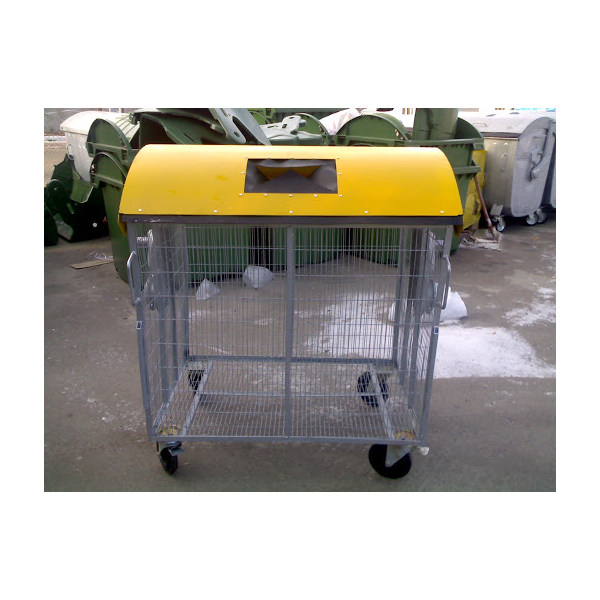
1100-liter mesh waste container with lid and a WebRozum Original digital passport. The page demonstrates how a container for recyclable materials can be connected to a QR code, digital card, installation location records, maintenance, movements, condition monitoring, and user requests.
Waste containers is a demonstration subsection of the WebRozum Original platform that shows how digital passports, QR codes, RFID tags, and web-based accounting can be used for identification, maintenance, and control of solid waste containers.
The page presents container models for residential waste collection and recyclable materials. Each card can work not only as a product description, but also as an example of a digital passport for a physical object.
What this subsection demonstrates
The subsection shows how an ordinary waste container can become a digital accounting object. For this purpose, a QR code, Data Matrix code, barcode, NFC tag, RFID tag, or combined marking can be applied to the container. After scanning, a web page of a specific model or a specific container unit opens.
Such a page may contain a technical description, installation location, inventory number, responsible organization, current status, maintenance history, repairs, washing, movements, and user requests.
Digital passport of a waste container
A digital passport of a container is an individual web page linked to a physical object. In the demonstration catalog, the passport can be used to describe a container model. In a real project, the system can create a separate passport for each individual unit: for example, a container in the yard of a residential building, on an enterprise territory, near a retail facility, or on a municipal service route.
This approach makes it possible to combine container fleet data, maintenance, requests, and object lifecycle information in one system.
Why a QR code is needed on a container
A QR code on the container allows users and service staff to quickly access its digital passport without searching through paper logs, spreadsheets, or internal databases. It is enough to scan the code with a smartphone or a mobile data collection terminal.
For residents and territory users, this can be a quick way to report container overflow, lid damage, site contamination, missed collection, or the need for repair. For a service organization, it is a tool for recording inspection, collection, washing, repair, replacement, or relocation of the container.
What data can be stored in the digital passport
- container model and type;
- volume, material, structure, and purpose;
- serial, inventory, or internal accounting number;
- installation location or service route;
- responsible organization or department;
- delivery and commissioning date;
- history of inspections, collection, washing, repairs, and replacement;
- photo records of the container and container site condition;
- user requests and their processing statuses;
- movements between sites, routes, or facilities.
How it works for a service organization
An employee of a municipal, environmental, or service organization scans the code on the container and opens its digital passport. Depending on access settings, the employee can view information, record completed work, add photos, change status, create a request, or confirm maintenance.
If needed, data can be transferred to a dispatching system, CRM, ERP, EAM, internal accounting system, or request management platform. This makes it possible not only to store container descriptions, but also to build a complete digital loop for accounting and maintenance.
Benefits of digital container accounting
- container fleet inventory becomes easier;
- the risk of container loss, substitution, or unrecorded movement is reduced;
- user request processing is accelerated;
- a maintenance and repair history is created for each object;
- it becomes easier to control collection regularity and the sanitary condition of sites;
- problem areas can be analyzed and container replacement can be planned;
- separate collection and solid waste maintenance become more transparent and manageable.
Why containers are convenient for demonstrating the technology
Waste containers are an easy-to-understand example of objects that are constantly in operation, moved, damaged, serviced, and associated with user requests. They clearly show how the connection between a physical object, marking, and a digital record works.
The same logic can be applied to waste bins, mesh containers for recyclable materials, sorting bags, container sites, returnable packaging, pallets, industrial containers, equipment, tools, construction materials, and other assets that need to be identified, tracked, and maintained.
WebRozum Original as a digital passport platform
WebRozum Original allows the creation of digital passports for products, packaging, equipment, and infrastructure objects. The platform links a physical object to a web page through a QR code, Data Matrix code, barcode, NFC tag, or RFID tag.
For container manufacturers, this can be a tool for product presentation, origin confirmation, and service support. For municipal, environmental, and service organizations, it can be an accounting and maintenance system for containers. For territory owners, it is a way to monitor asset condition, service quality, and quickly receive feedback from users.
This subsection is a WebRozum Original technology demonstrator for solid waste containers. It shows how a standard catalog category can be transformed into a digital infrastructure for accounting, maintenance, and user interaction.